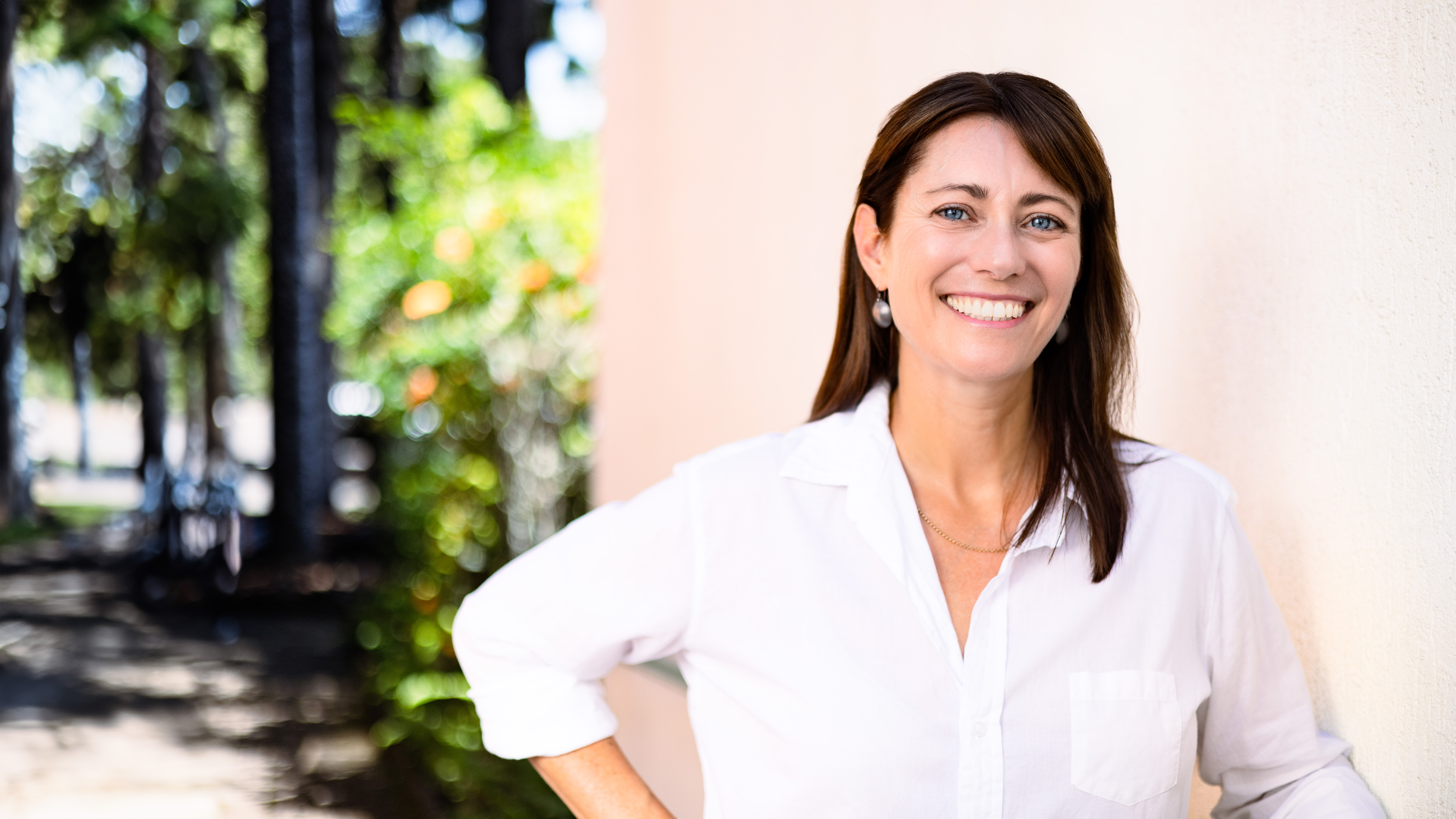
Emily Wright
Raise the Standard
"Integrity is doing the the right thing, even when no one is watching"
- C.S. Lewis
I’m fascinated by why people in organisations choose to do the right thing, or not.
It's not just about policies or systems, it's about leadership, ethics, and human behaviour in context. Why do some teams have bad actors while others don't? What makes someone decide to break the rules? How do firms create environments where misconduct happens and fail to stop or change it? And critically, what roles do leadership and AI play in all of this?
My Story
Before I worked in banks, I studied philosophy: philosophy and philosophy of science, then a master's in the philosophy of science. What drew me in, and has never quite let go, was a set of questions about when new science, technology, and products enter society, how we decide what is safe, fair and just as we also accommodate the opportunity they bring.
What does it mean to do the right thing when a technology reshapes how people are treated? How do we weigh the core values that pull against each other, freedom against harm, innovation against protection, when there is no clean answer?
I moved into HR to understand how organisations really work: not the org charts, but the human dynamics that make things succeed or fail. My early diversity and inclusion work at Lehman Brothers taught me that high-performing organisations let talented people contribute what they were hired to. When we fail to create the environment for that, we undermine our own success and create the conditions where things go wrong.
As regulation shifted after the industry's scandals, conduct risk moved into compliance, and I followed the thread - how do we make doing the right thing the natural choice, see when it is not, and respond to misconduct in ways that change behaviour rather than just punish it?
Over two decades, including senior roles at Standard Chartered Bank, JP Morgan, and ICAP, across London, Hong Kong, Singapore, and now Australia, I led compliance operational risk and surveillance programmes, ran investigations, managed conduct risk frameworks, and built the teams that had to answer these questions in practice.
As AI is being extensively deployed in Financial services and Boards, leadership, employees and regulators are asking: is it fair, is it safe, who is accountable, and how do we use its power without giving up the values we hold. These are the problems I started with as a student, returned in the setting where I have spent my career.
When Everything Changed
In 2022, while based in Singapore, life demanded I reassess everything. Two years into COVID lockdowns, we had not seen family in years, and within a few weeks several challenges hit at once: my mum fell seriously ill in Australia, I had a health scare, and my son was involved in a serious road incident.
We had been planning to relocate in time, but these events compressed the decision. Family needed us, and we needed each other, so we moved fast, without the careful planning I would usually insist on professionally, and went home to Australia.
Leaving my corporate role gave me clarity about what to build next. I started my own company to put my regulatory, organisational development, and leadership experience to work differently: helping organisations and leaders build conduct and compliance cultures that hold up in practice.
Today I work with financial services organisations globally, combining deep regulatory and surveillance expertise with executive coaching and applied ethics. I am the author of Behind the Screens: Understanding Employee Surveillance in Financial Services, an ICF-certified coach, and a philosopher by academic training, with a master's from the London School of Economics.
Outside work, I live on the Sunshine Coast with my family and our Golden Irish dog, and spend time landscaping and gardening, which reminds me that good design, whether for a garden or a compliance programme, takes vision, planning, an understanding of what thrives in the conditions you have, and steady maintenance to keep the conditions optimal.